Bakery Flavors

Bakery Flavors

Flavors built to survive the oven and still taste great on the shelf.

Bakery is one of the harder categories to formulate flavors for. High baking temperatures can cook off delicate top notes. Extended shelf life can dull a profile that tasted great fresh out of the oven. Sugar reduction changes the way sweetness and flavor are perceived. And clean label requirements keep getting stricter. Mosaic Flavors develops custom liquid and powder flavor systems for bakery manufacturers across the US and Canada. Our R&D teams in Chino, CA and Montreal, QC work with you on everything from a single flavor development brief to reformulation projects across a full product line.

Request a Bakery Flavor Sample


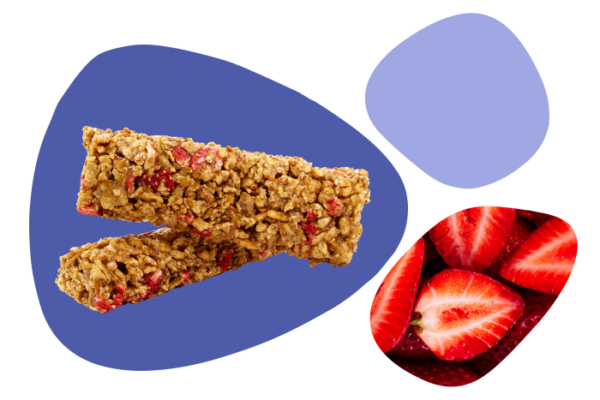
Bar with strawberries

Bakery Applications We Support

We develop flavor systems for a wide range of baked goods and bakery-adjacent products, including:

Sweet Baked Goods

- Cakes and Cupcakes

- Cookies and Biscuits

- Muffins and Quick Breads

- Donuts and Fried Pastries

- Brownies and Bars

- Sweet Rolls and Danish

Bread and Savory Baked Goods

- Artisan and Commercial Breads

- Flatbreads and Tortillas

- Crackers and Crisps

- Savory Snack Breads

Fillings, Frostings, and Coatings

- Cake and Pastry Fillings

- Frostings and Glazes

- Chocolate and Compound Coatings

- Cream Fillings and Whipped Toppings

Bars and Functional Baked Goods

- Protein and Nutrition Bars

- Granola and Cereal Bars

- Meal Replacement Bars

- Fortified Baked Snacks

Dry Mixes

- Cake and Brownie Mixes

- Bread and Muffin Mixes

- Pancake and Waffle Mixes

- Seasoned Coating Mixes


The Flavor Problems We Solve in Bakery

Bakery flavors face conditions that most other food applications don't. Here's where we spend most of our time solving real problems for bakery manufacturers.

Heat Stability

Baking temperatures typically run between 325°F and 425°F. Many flavor compounds are volatile, which means they evaporate during baking and the finished product ends up tasting flat or weak. We develop flavor systems with heat stability built in, using bake-stable aromatic compounds and encapsulation techniques that protect flavor through the full baking process so the flavor you smell going into the oven is still there when the product cools.

Flavor Retention Across Shelf Life

A bakery product that tastes great on day one needs to taste just as good on day 30 or day 60. Moisture migration, oxygen exposure, and fat oxidation can all degrade flavor over time. We formulate for shelf life stability from the start, not as a fix after the fact.

Sugar Reduction

Sugar doesn't just sweeten bakery products. It contributes to texture, moisture retention, browning, and flavor perception. When you reduce sugar, the whole sensory profile shifts. We develop flavor systems that compensate for the flavor impact of sugar reduction, including sweetness enhancement and brown note amplification, so the finished product still tastes the way consumers expect it to.

Clean Label and Natural Flavor Requirements

Consumer demand for shorter ingredient lists and recognizable ingredients is strong in the bakery category. We offer natural flavor systems, organic compliant options, and clean label-friendly solutions that meet retailer requirements without sacrificing bake performance or flavor quality.

Fat Reduction and Reformulation

Fat carries and amplifies flavor in baked goods. Reducing fat for health positioning changes how flavor is delivered and perceived. We develop flavor systems that work within lower-fat bakery formulations and can help restore the richness and mouthfeel that fat reduction removes.

Masking Off-Notes in Fortified Bakery Products

Protein bars, nutrition bars, and fortified baked goods face the same off-note challenges as functional beverages, just in a solid matrix. Plant proteins, vitamins, and minerals all bring flavor baggage into a bakery application. We develop masking systems specifically designed for bar and fortified baked good formats.

Flavor Performance in Dry Mixes

Dry mix applications have their own set of challenges. Flavor needs to survive in a low-moisture environment, blend evenly through a dry matrix, and then perform again when the product is hydrated and baked. We formulate powder flavor systems specifically for dry mix applications.


How We Work With Bakery Manufacturers

Custom Flavor Development

We develop flavor systems from your brief. Whether you need a classic vanilla for a commercial cake line, a complex cinnamon brown butter for an artisan product, or a bake-stable fruit flavor for a filled pastry, we develop to your specific product, process, and label requirements.

Flavor Matching

If you need to match a benchmark product, replace a discontinued flavor, or hit a specific flavor target that a previous supplier couldn't deliver, our team handles it. First samples typically take up to two weeks depending on complexity.

Liquid and Powder Formats

We manufacture both liquid and powder flavor systems for bakery applications. Liquid flavors work well in batters, doughs, fillings, and frostings. Powder flavors are the right choice for dry mixes, coatings, and applications where moisture addition is a concern. We help you determine the right format based on your specific process.

Oil-Soluble Flavor Systems

Most bakery applications require oil-soluble or emulsified flavor systems that disperse properly in fat-based matrices. Using the wrong solubility type can cause uneven flavor distribution or instability in the finished product. We formulate for your specific fat system.

Collaborative Development

Our R&D, sensory, and regulatory teams work together on every brief. You work with one team across the full development process, from first sample through scale-up and commercial production.


Formulation Factors We Account For in Bakery

Baking Temperature and Time

Different products bake at different temperatures for different lengths of time. A cookie at 375°F for 10 minutes has a very different flavor survival profile than a bread at 350°F for 45 minutes. We calibrate flavor systems to your specific baking parameters.

Water Activity

Water activity affects how flavor is released and how it holds up over shelf life. Bakery products range widely in water activity, from low-moisture crackers to high-moisture cakes. We formulate with your product's water activity in mind.

Fat Content and Type

The type and amount of fat in a bakery formulation affects how flavor compounds are carried and released. Butter, vegetable shortening, oils, and fat replacers all interact with flavor differently. We formulate to your specific fat system.

Leavening and pH

Baking soda and baking powder affect the pH of a baked good during baking, which in turn affects how flavor compounds react and how the finished product tastes. We account for your leavening system when developing flavors for baked applications.

Processing Conditions

Commercial bakery manufacturing involves continuous mixing, sheeting, depositing, and conveyor baking at scale. Flavors need to perform consistently through these conditions, not just in a small-batch bench test. We formulate with commercial manufacturing conditions in mind.

Label Requirements

We offer natural flavors, organic compliant options, non-GMO suitable systems, and kosher and halal certified flavors for bakery applications. Our regulatory team can provide the documentation your retail partners and customers require.

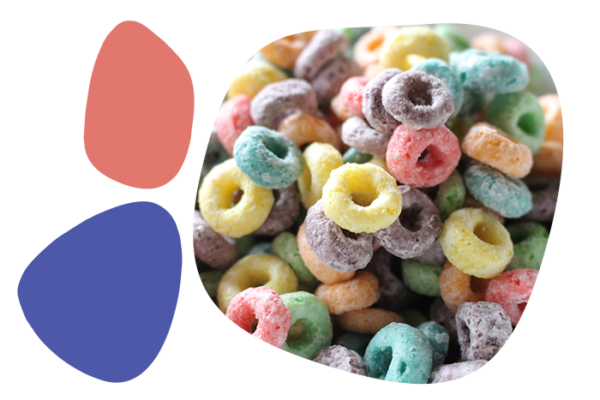
Cereral loops multicolored

Trending Bakery Flavor Concepts

Consumer tastes in bakery keep moving toward layered, globally inspired, and premium profiles. Some of the concepts our team is currently working on include:

- Brown butter and toasted note profiles

- Pistachio and rosewater combinations

- Cookie butter and speculoos

- Global spice blends (cardamom, saffron, za'atar)

- Matcha and hojicha for fillings and glazes

- Miso caramel and umami-sweet combinations

- Nostalgic flavors in new formats (birthday cake, snickerdoodle, cinnamon roll)

- Fruit-forward fillings with less added sugar

- Swicy glazes and coatings


Available Formats

We develop bakery flavor systems in formats matched to your product and process:

Frequently Asked Questions about Bakery Flavors

We develop flavor systems for cakes, cookies, muffins, breads, donuts, pastries, brownies, bars, crackers, fillings, frostings, coatings, dry mixes, protein bars, granola bars, and fortified baked goods.

Yes. We develop heat-stable flavor systems specifically for baked applications. We use bake-stable aromatic compounds and encapsulation methods that protect flavor through high baking temperatures so the finished product retains its intended profile after baking and cooling.

Yes. We manufacture both liquid and powder flavor systems for bakery. Liquid flavors work well in batters, doughs, fillings, and frostings. Powder flavors are better suited for dry mixes and moisture-sensitive applications. We help you choose the right format based on your product and process.

Yes. Protein and nutrition bars are one of the more demanding bakery-adjacent applications we work on. Plant proteins, vitamins, and minerals all introduce off-notes in a solid matrix. We develop masking and flavor systems specifically for bar formats.

Yes. Sugar reduction affects texture, browning, and flavor perception in baked goods. We develop flavor systems that compensate for the impact of sugar reduction, including sweetness enhancement and brown note systems that keep the product tasting the way consumers expect.

Yes. We offer natural flavors, organic compliant options, non-GMO suitable systems, and clean label-friendly flavor solutions for bakery applications. Our regulatory team can provide documentation for your retail partner requirements.

Yes. Our team handles flavor matching for bakery applications. If you need to hit a benchmark product, replace a discontinued flavor, or improve on a current formulation, we can develop samples. First samples typically take up to two weeks depending on complexity.